
The use of aromatic smoke flavorings obtained from cleaned smoke condensates has gained increasing importance as a result of the new EU regulation governing aromatic smoke flavors. As such, smoke processing flavors are offered for a multitude of application processes as well as in different trends of taste. For the meat products industry, this development includes a high potential for developing novel meat products.
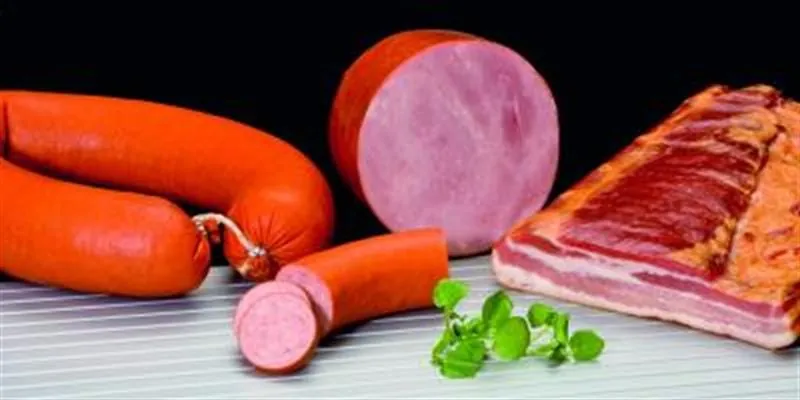
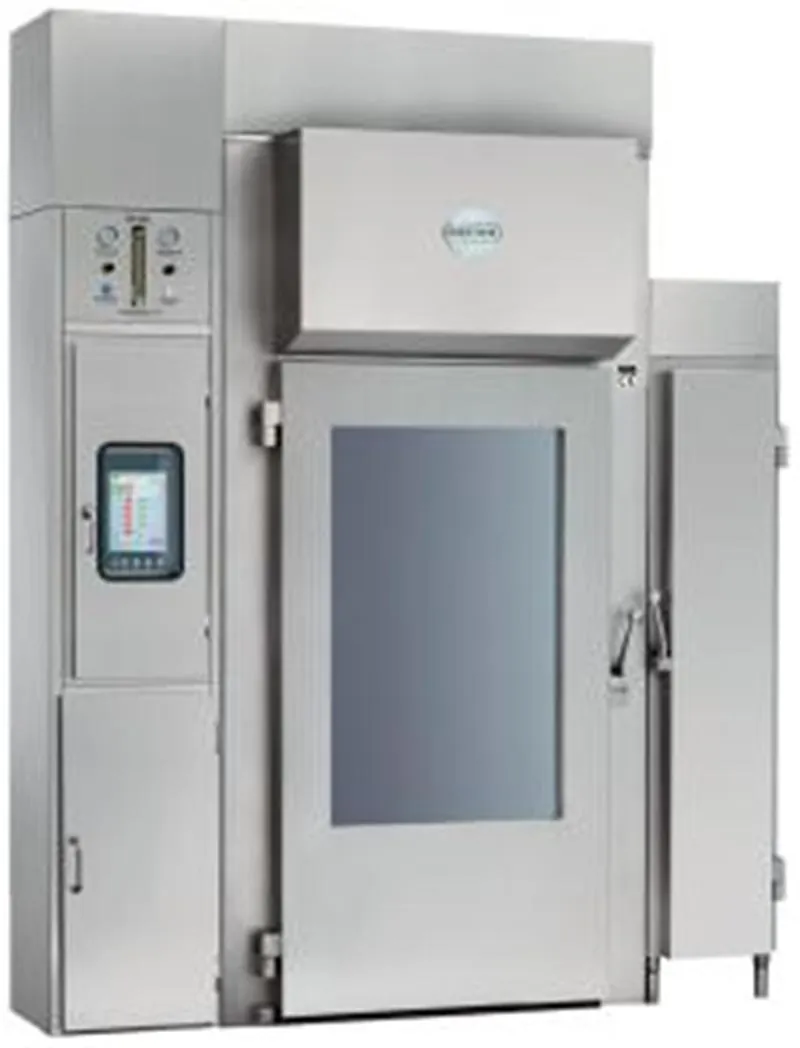
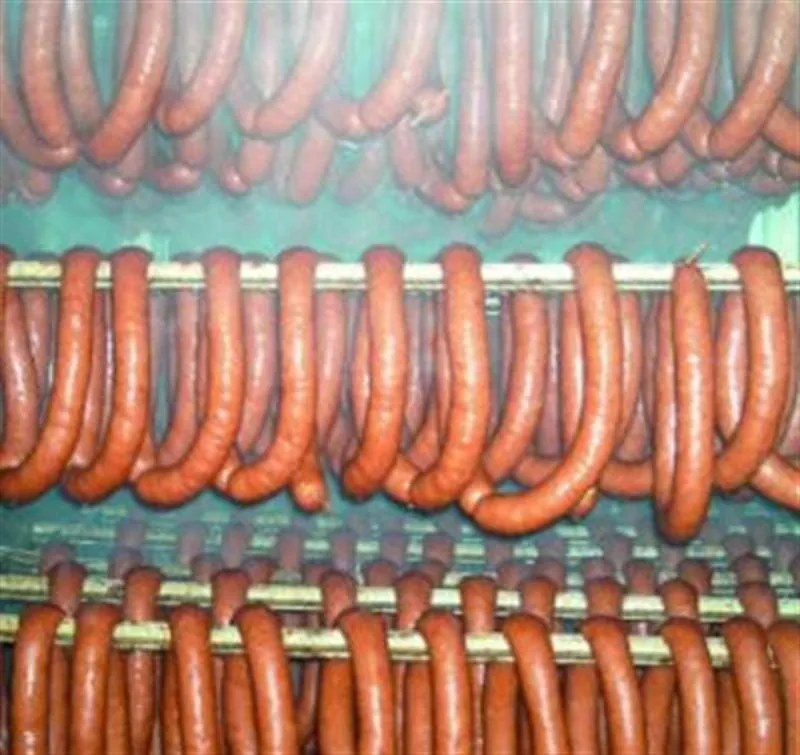
Clean smoke without wood chips
Liquid smoke is a natural product that can be obtained from different hardwood species. Governed by pyrolysis (chemical change brought about by the action of heat) and produced under controlled conditions, this smoke is liquefied by condensation resulting from the addition of water. In the final product, this smoke has then turned into a natural condensate which, by way of filtration, has been freed from tarry matter that contains smoke substances of doubtful effect in terms of human health.
Dependent upon the type of wood materials used, different and unmistakable profiles of taste emerge which butchers can use in a targeted manner. By way of adding compressed air, the smoke condensate is turned into a foggy substance, thereby producing a dense, dry and stable smoke inside the system.
Since liquid smoke concentrates are products coming with standardized properties to a far-reaching extent, such smoke refining and upgrading processes can be controlled and governed in an optimum manner, and can be repeated any time with the same parameters. As such, they always guarantee a constant experience of taste in line with what customers have become accustomed to.
When sensoric comparison tests were conducted by professional testing specialists of the Technical School of Professional Training (BBS I) in Leer, northwest Germany, those conducting the tests could not detect any appreciable differences with respect to traditional methods. As such, the desired effects in terms of conservation of taste and color remained unchanged in the products tested. In addition, smoke concentrates also come with an antimicrobial effect that extends product’s shelflife and keepability. Apart from the direct positive influence on product quality, a number of economically relevant advantages also come into play. Meat plants using liquid smoke or aromatic smoke substances can proceed with their smoking process in an emission- and maintenance-free manner since smoke gas filters are no longer necessary. What is also dispensed with is the need of afterburning the exhaust air, while the time and cost burdens for cleaning work and material are reduced to a minimum, because liquid smoke does, as a matter of fact, not leave any tar, ash and sawdust residues. But over and above that, the danger of fire and explosion is also completely excluded.
In special processing procedures, different aromatic smoke flavors are obtained from cleaned smoke condensates. In which respect a difference is made among aromatic smoke flavors based on water, water soluble aromatic smoke flavors, as well as those based on oil and those used for brine application and dried aromatic smoke flavors as well. According to Bremen, Germany-based Red Arrow, aromatic smoke flavors can be used in a multifaceted manner and can also be simply integrated into existing production processes. To repeat, aromatic smoke flavors are obtained from different species of wood, meaning that different directions of taste can be offered. Typical types of wood used for obtaining aromatic smoke flavors are, among others, beechwood, mixed hardwood substances, oak, hickory, mesquite wood, and wood obtained from apple and cherry trees.
Aromatic smoke flavors are used in the meat products industry in order to impart the final product with a controlled and typical touch of smoky taste. The multifarious forms of smoke aromas, whether liquid or powder, allow new processing and application technologies to be used for efficient and controlled manufacturing of smoke-treated meat products. As for actual process operations, aromatic smoke flavors are processed by direct addition of seasonings or marinades, by brine application procedures, special dipping, spraying, sprinkling methods, or by use of pre-smoked casings. Smoke properties desired, like smoke taste and color, can be adjusted in a targeted manner. Aromatic smoke flavors can support aroma formation of smoked products or completely replace the smoking process as such. Apart from their aromatizing property, they also offer additional benefits like antioxidative or bacteriostatic effects.
Typical fields of use for aromatic smoke flavors are meat products, poultry products, ready-to-eat foods, fast food, snack food, vegetarian dishes, as well as deep-frozen and convenience products.
Environment-friendly technology
It was back in 2005 already, that liquid smoke was categorized as an “aromatic substance” in the EU (European Union) and admitted for use without reservation. And since that point in time, “Bastramat” liquid smoke equipment systems from Arnsberg, Germany-based equipment specialist Bastra can, for example, be used without any official special permit needed. So liquid smoke satisfies the highest of demands and requirements - from forest growth to practical application - also in terms of ecological considerations. Turning to Bastra’s liquid smoke systems, optimized interaction of in-process controls of humidity, temperature, smoke density as well as air flow guidance is, as the manufacturer points out, an essential precondition for constantly uniform and high-quality products to be produced. A great number of customers, both domestic and from abroad, are making practical use of this environmentally friendly and economically efficient smoke processing technology already, to turn out products for their own marketing programs. With the Bastra control technology and the “View & Control” visualization software in place, all operating procedures can be adjusted and controlled during the smoke treatment process, meaning that product manufacturers have the possibility to document and store all pertinent data of the smoke application process. But for those who want to do one thing but not leave out the other, there are the Bastramat Universal Cooking and Smoking Systems where both process smoke generation processes can be combined, meaning that products can then either be further processed and upgraded by traditional smoke treatment, by liquid smoke, or by a combination of both smoke processing procedures.
Accelerating the browning process
Experiences gathered by liquid smoke specialist Zesti Smoke have shown that a great number of liquid smoke users prefer to compose a product themselves. It is also in that vein that Ruitenberg Ingredients of Twello, The Netherlands, as such the official distributor of Zesti Smoke systems in Europe, has its own modern technology center where pertinent tests can be carried out and where, if needed, the product can still be adapted in the Netherlands to what a given customer may want and desire.
Just a short time ago, Zesti Smoke has introduced a new product line that does not contain any polysorbates, thereby making sure that such phenomenons as clouds of smoke, deviating profiles of taste as well as questions about GMO’s (genetically modified organisms) have become things of the past.
In addition to the above, Ruitenberg also offers a natural component which accelerates the browning process, in which context the company points out that, with the new method thereby created, it is possible to curtail the cooking time or, with the cooking time remaining unchanged, to reach a more intensive coloration. And finally, add to that the that the fact that there is an interconnection behind a higher concentration of proteins, a more intense color and structure, and a more sumptuous product structuring.