
At Edeka’s Schwarzwaldhof production site, one of the main operations is making large quantities of raw ham and ham cubes. The need for efficient smoking and ripening technology is correspondingly great. Edeka particularly relies on the company Sorgo Anlagenbau (Klagenfurt, Austria).
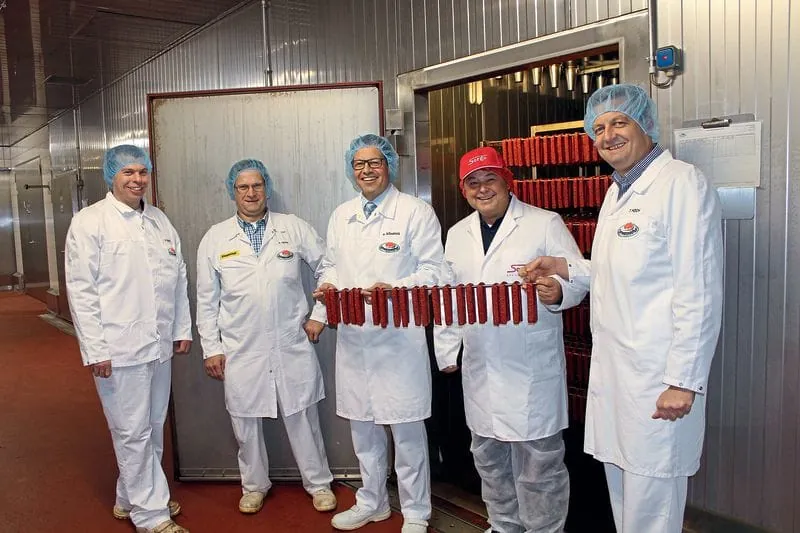
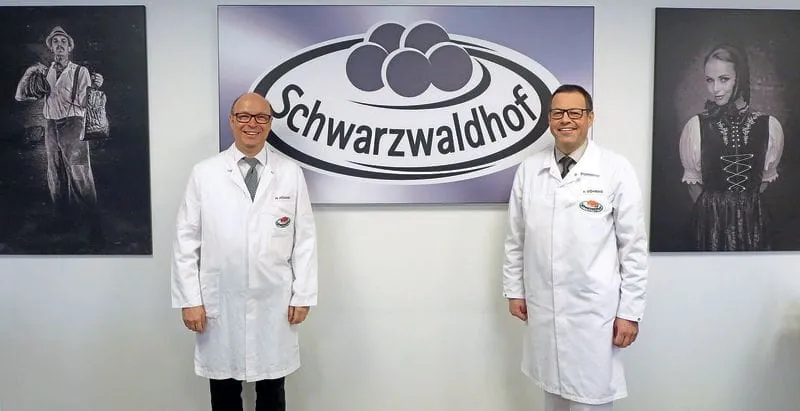
For a good 10 years, Schwarzwaldhof Fleisch und Wurstwaren GmbH in Blumberg has belonged to Edeka Südwest. Founded in 1970 as the Lutz company, it now specializes in manufacturing raw ham and sausage products such as spicy landjäger sausages and pfefferbeisers. 85 percent of its total production volume (2016: over 10,700 t) is in this category of goods. One quarter of its manufactured products is original Black Forest ham, which fulfills all product-specific properties of the protected geographical indication (PGI).
About five years ago, shortly after Andreas Göhring (Production) and Andreas Pöschel (Sales, Marketing and Administration) assumed the divisional management of the Schwarzwaldhof, they had to make the decision about implementing necessary building renovations. Their intention was both to fulfill the regulations set by the municipal planning commission as well as to carry out significant and necessary expansion measures. The groundbreaking ceremony for the first phase took place in January 2015, and the new annex on the premises went into operation one year later (January 20, 2016). During the associated production expansion, modern new smoking systems were invested in. They were supplied and installed by the Austrian company Sorgo.
System requirements
To economically produce raw products in the amount, diversity, and quality that Schwarzwaldhof insists on, the entire smoking and curing process must run optimally in all regards. This can only be accomplished by setting very complex requirements on the smoking systems and their technical performance. The smoke chambers, for example, must have sufficient capacity – both individually as well as in total. In addition, complete process control must be possible at all times. Absolute operational safety is likewise obligatory, for example with effective fire protection systems.
In particular, the system must guarantee uniform smoke distribution and the certain achievement of precise target weights of the end products. The latter is only possible if all products lose the same amount of weight during the smoking process. All aspects of the Sorgo system convinced the management and production managers at Schwarzwaldhof. In a pilot project, a “test chamber” was built to try out and verify the system’s performance. The results proved that the Austrian smoking specialist could optimally fulfill all requirements due to its smoking and curing know-how.
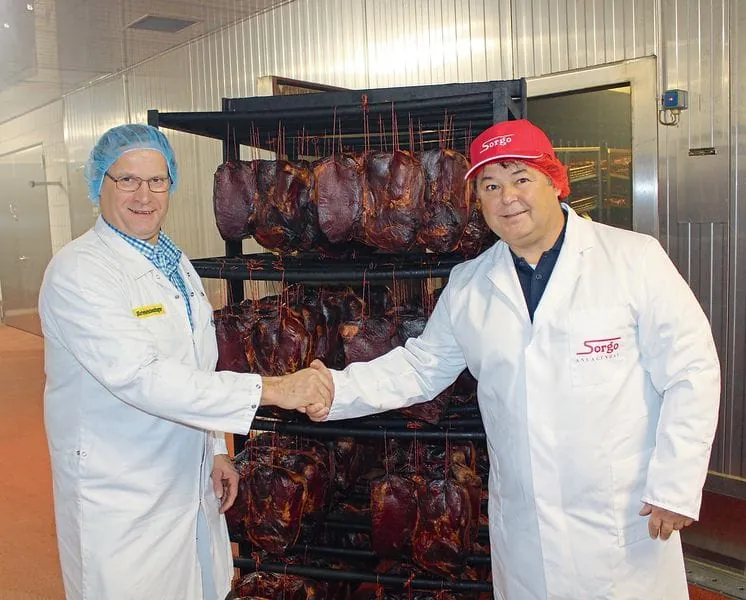
Thus, the highly competent initial consulting work on the project-related measure, carried out by Sorgo field representative Joachim Gensle, tipped the scales for Sorgo, which obtained the contract. The result of this first contact and the subsequently made plans has now developed into a trusted partnership with long-term perspectives. “I now go in and out of the business,” says Gensle, meaning Schwarzwaldhof. “He is very committed, available at all times, and always willing to help,” says Andreas Senn, department head of cured products. Senn likewise attests the “super cooperation” with Gensle.
Controlled weight loss
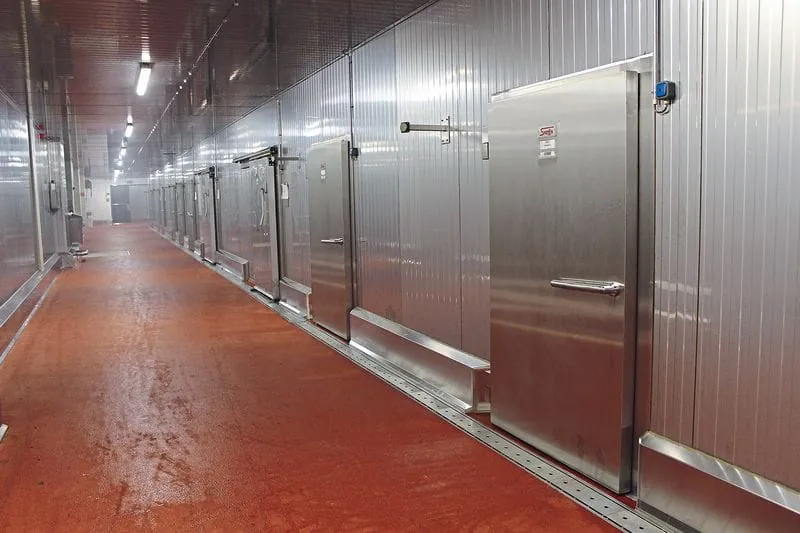
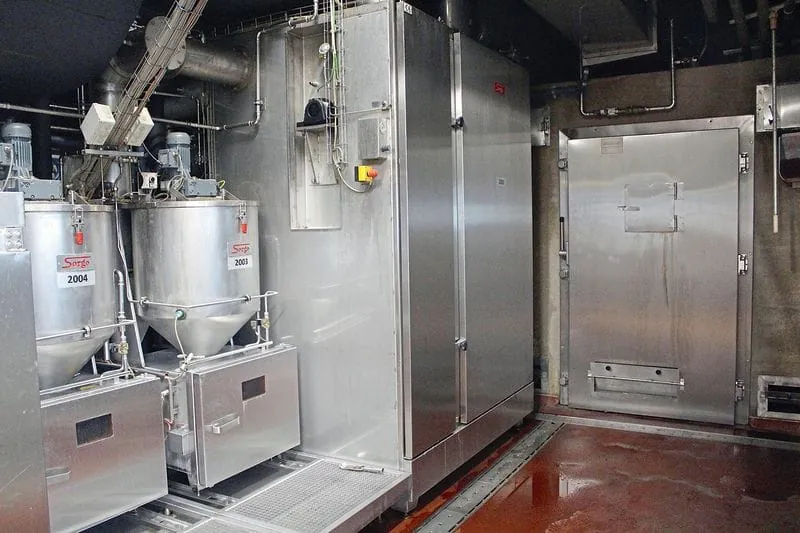
A total of 260 smoke carts fit in the smoking chambers Sorgo built for Schwarzwaldhof. Either 20 or 40 carts fit in one chamber. Assuming that a cart can be loaded with up to 350 kg of raw ham (weight of the finished product after drying), the system offers enormous smoking capacity.
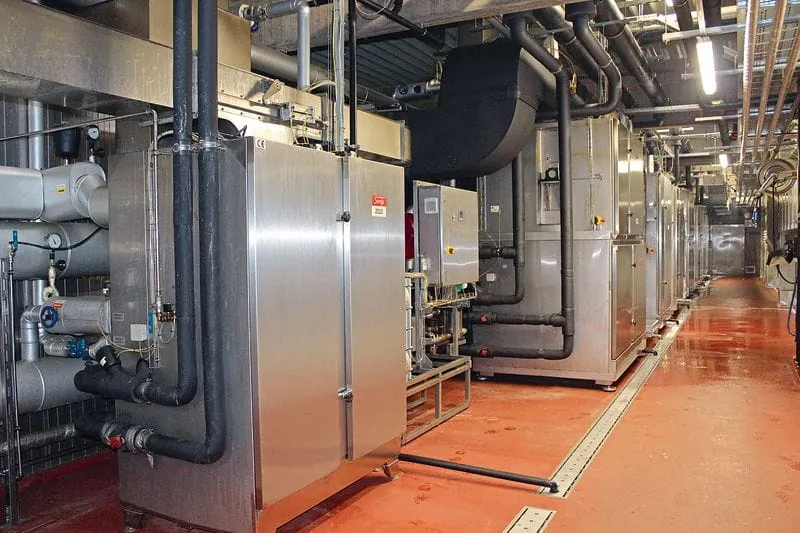
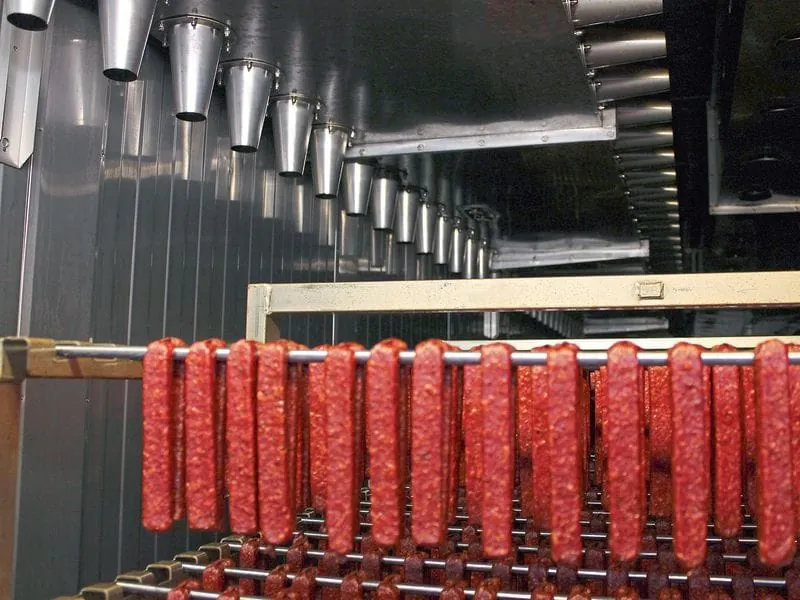
The technical challenge for the engineering company; that is, achieving absolutely uniform smoke distribution and weight loss during the smoking process, increases with the size and width of a chamber, and ultimately, with the number of smoking carts per chamber. A central specification that Sorgo had to fulfill was achieving a weight loss deviation of ± 1 percent. The 4-channel technology installed by system engineers and the smoking chambers themselves proved to be the perfect solution for this purpose. Smoke is evenly distributed throughout the chamber by countless jets that produce vertical, horizontal, and diagonal air currents.
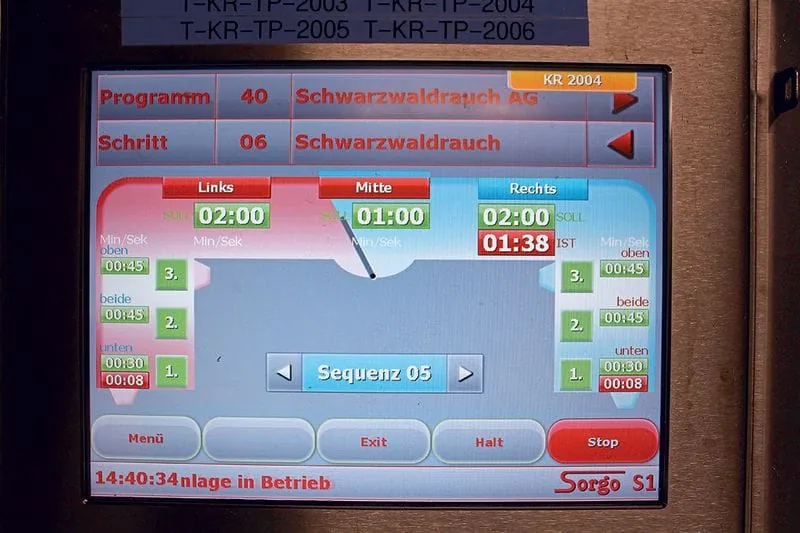
All real-time information about the status of the running smoking process can be retrieved at any time, either on the display of the controlling and programming unit in the production area or on a PC monitor in the production head’s office. This allows corrective action to be taken during a process, for example, optimizing the individual weight loss of products on a specific smoke cart level.
Smoke for Black Forest ham
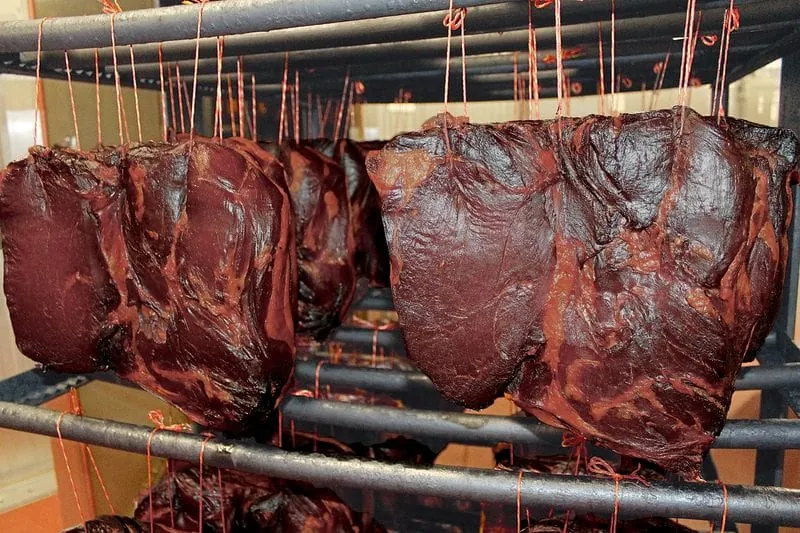
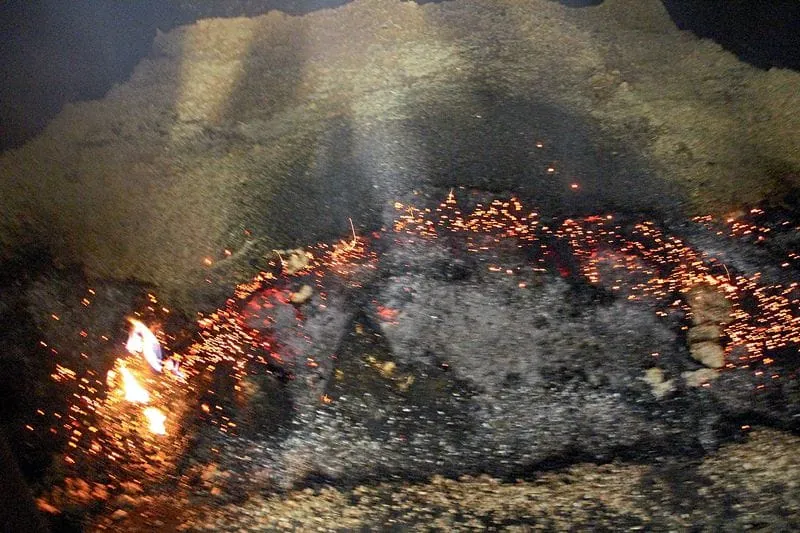
The production of Black Forest ham PGI requires a special smoking procedure with sawdust smoke generation. Ham is cold-smoked in smoking chambers with masonry walls (at a temperature of circa 30 degrees Celsius) over fresh fir and spruce from the Black Forest. This smoking process, which takes at least one week, gives the ham its characteristically strong flavor and typical chestnut-brown color.
The challenge for Sorgo’s system engineers was that the “PGI-smoke” needs to be separately generated and then fed into the smoking chamber where the Black Forest ham is made. For this, a special piping system was developed that makes the “PGI-smoke” available separately. Additional smoke generators can be independently connected for other smoking processes and products. This guarantees that the right smoke gets to the right products.
Safely smoking
Fire protection is central for the smoking process and when dealing with open fire, when it comes to authorization by planning authorities. The smoking process for the production of Black Forest ham represents a higher risk in this regard. Here too, Sorgo developed the needed redundant technical solution and installed extinguishing systems with active temperature monitoring in the various system segments.
Potential for further growth
After completion of the first construction phase, the second stage of the remodeling and renovation work at Schwarzwaldhof is currently in full swing. These construction measures, which will primarily affect shipping and packaging, should be ready in 2019. The new chimney will be complete by then; with a height of 32 m, it fulfills all environmental requirements required in Blumberg. The fact that Schwarzwaldhof is erring particularly on the side of caution, has to do with its planned increases in the production of raw materials, which will necessitate increases in the volume of smoke and thus, the exhaust volume as well. But the company is not only focusing on potential growth, but also on a positive image. After all, the environment and sustainability are of central importance for the company, explains Andreas Göhring and adds: “We are also responsible for the image of the entire industry.” For both managers, sustainability is thus fundamental for responsible entrepreneurship. It affects society, sustainable products, employees as well as the environment and energy.
The measures taken during the second phase will further expand production in Schwarzwaldhof. Once again, the company will rely on the expertise of the smoking specialist Sorgo, who will install new smoke and drying systems. This will increase the company’s production capacity for ham and other smoked products by approximately 200 smoking carts. Thomas Röhr