
Danish food producers are responding to the challenges of the future. The industry, including the slaughtering company Danish Crown, intends to produce climate-neutral food, targeting this goal for 2050. At the same time, it wishes to increase production volumes.
The Danish population wants more commitment from politicians to protect the environment and climate. This was the result of a December 2018 survey. According to the report, environmental, climate and health policy are high on the agenda of the Danes. A survey carried out in 2010 revealed a completely different picture. At that time, environmental and climate policy ranked ninth behind tax policy, crime prevention and integration. The most important topics in 2010 were healthcare and the economic upswing.
Working towards more environmental and climate protection is a particular challenge against the background of a constantly increasing world population. According to the United Nations, there will be about ten billion people on Planet Earth in 2050. For global agricultural and food industries, the main priority in the future will be producing food more sustainably while conserving resources better. Denmark has achieved much success in this field in recent decades and is pushing ahead with sustainable developments at full speed.
In spring 2019, the Danish food industry set an ambitious target. According to the Danish Association of Agricultural and Food Industries, the industry aims to produce food in a climate-neutral way by 2050 while increasing production volumes. In line with the United Nations goals for ecological development, Denmark wants to set an example for economic and climate-neutral food production. Anne Lawaetz Arhnung, CEO of the Danish Trade Association, speaks of a historic step in this context. “We will only achieve this goal together with the Danish population. We will have to invest heavily in research and development in coming years,” she says. Aided by innovative technologies, emissions from pigsties and cattle stables can be significantly reduced, for example.
Climate neutral pork production
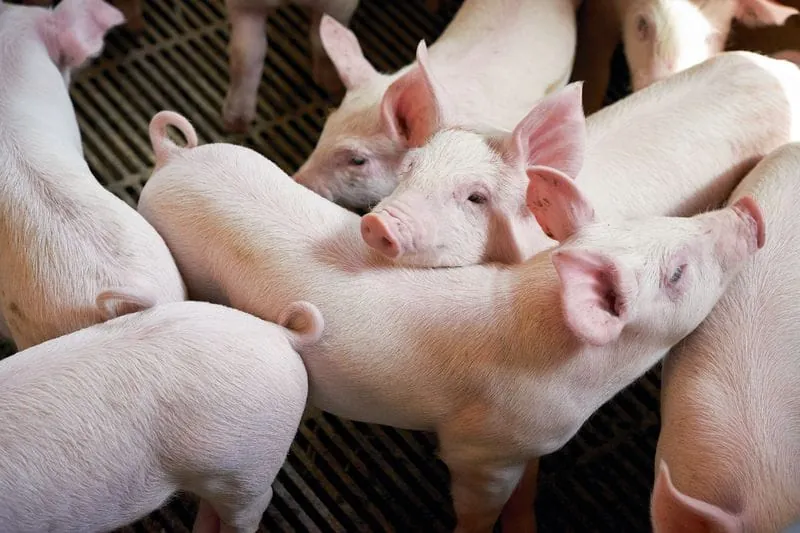
Danish Crown, the Danish slaughtering company, is also involved in this ambitious project. This spring, the cooperative published its sustainability targets. By 2030, the company aims to reduce emissions of greenhouse gases for every kilogram of pork produced along the entire value chain – from field to table – by 50 percent compared with 2005. “By the end of 2019, 90 percent of the pigs slaughtered on Danish farms had already come from farmers who have a special sustainability certification,” says Jakob Sögaard, Managing Director responsible for Germany, Austria and the Benelux countries. Danish Crown’s vision is to produce climate-neutral pork by 2050. “We want to become the world’s leading producer of sustainable meat,” stresses Sögaard. This objective is a challenge and requires close cooperation between farmers, Danish Crown, customers, consumers, politicians, NGOs and scientists.
In regard to farmers, pork producers are showing great interest in the GOA program (bred without antibiotics) launched in 2015. “We have many inquiries from farmers who would like to switch to this production system,” reports Sögaard. Currently, around 50 farmers are participating in the program, which allows the administration of no antibiotics to pigs from birth to slaughter. The production of GOA pork is constantly increasing. In 2018, the company slaughtered more than 286,000 animals. By the end of 2019, around 400,000 pigs from antibiotic-free farms had been slaughtered. “In our opinion, the demand for products from antibiotic-free production will continue to increase in coming years,” says Jakob Sögaard, referring to the great interest in GOA products from customers around the globe. Danish Crown supplies pork from the program to customers in the United States, New Zealand and Italy. In Germany, consumers have been able to buy sausage products made from GOA pork since last summer. In Denmark, the Netto discounter has converted its entire standard fresh meat range to GOA meat since mid-2018; the Bilka hypermarkets also have various GOA fresh meat products in their assortment.
Danish Crown’s declared goal is to slaughter 1.5 million pigs per year from antibiotic-free rearing by 2021.
Feed protein from domestic fields
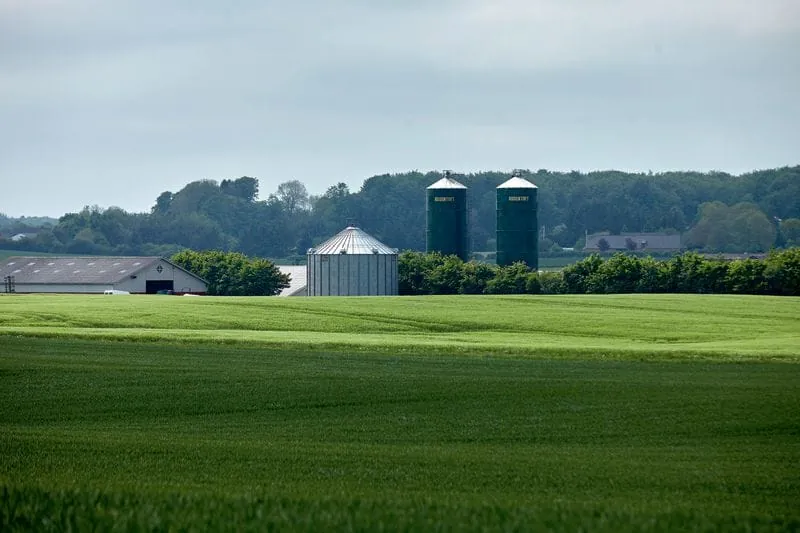
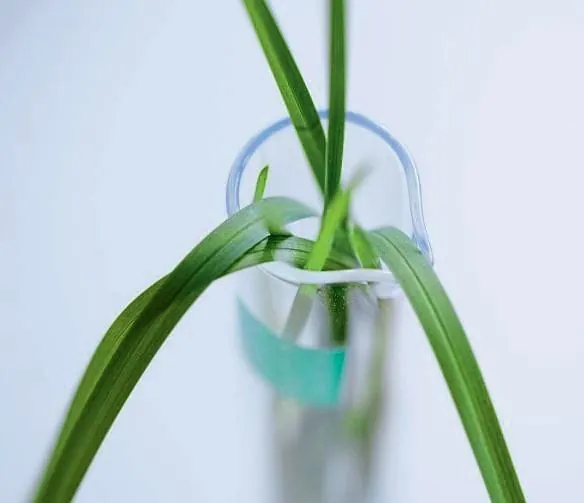
Denmark is also pressing ahead with sustainable developments in the production of animal feed. Some time ago, the Danish Protein Innovation cooperation was launched in the Kingdom. In this partnership, leading manufacturers of feed, ingredients and food products collaborate with research institutions to develop sustainable protein for feed, food and pharmaceutical products. “We start where the potential is great and where research has already made great progress, namely in the production of plant proteins – primarily from grass – for use as animal feed,” explains Lars Hvidtfeldt, who heads the partnership as a representative of the Danish Association of Agriculture and Food Industries.
In the future, concentrated bio-protein will be used as feed for pigs and poultry that cannot use grass protein directly from the meadow. The residual products from this production could be used partly for cattle feed and partly for biogas plants. “With this closed-loop approach, we will obtain several end products and at the same time overcome some of the challenges facing agriculture. We will be reducing soy imports and binding more carbon in the soil on the extended meadow areas, which is good for water and climate protection,” says Hvidtfeldt.